
Bali: the most stunning underwater spots
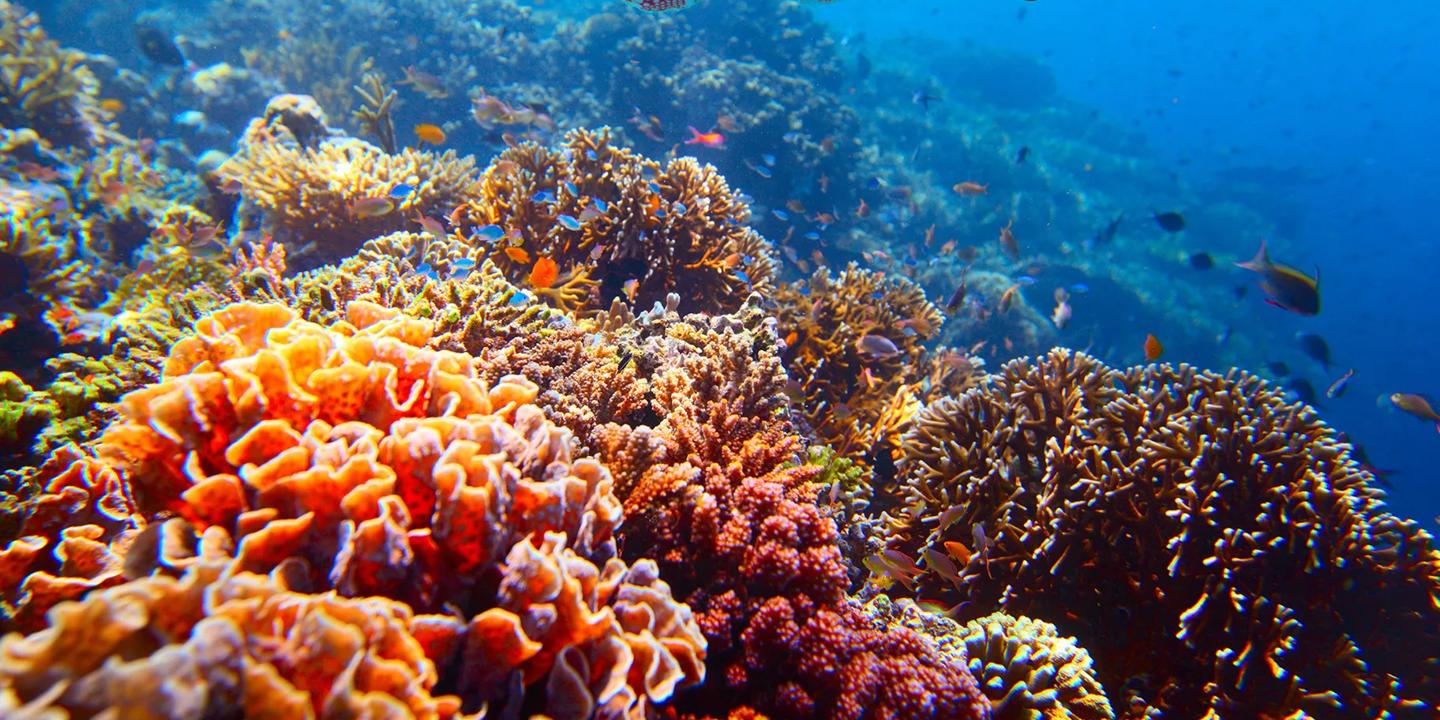
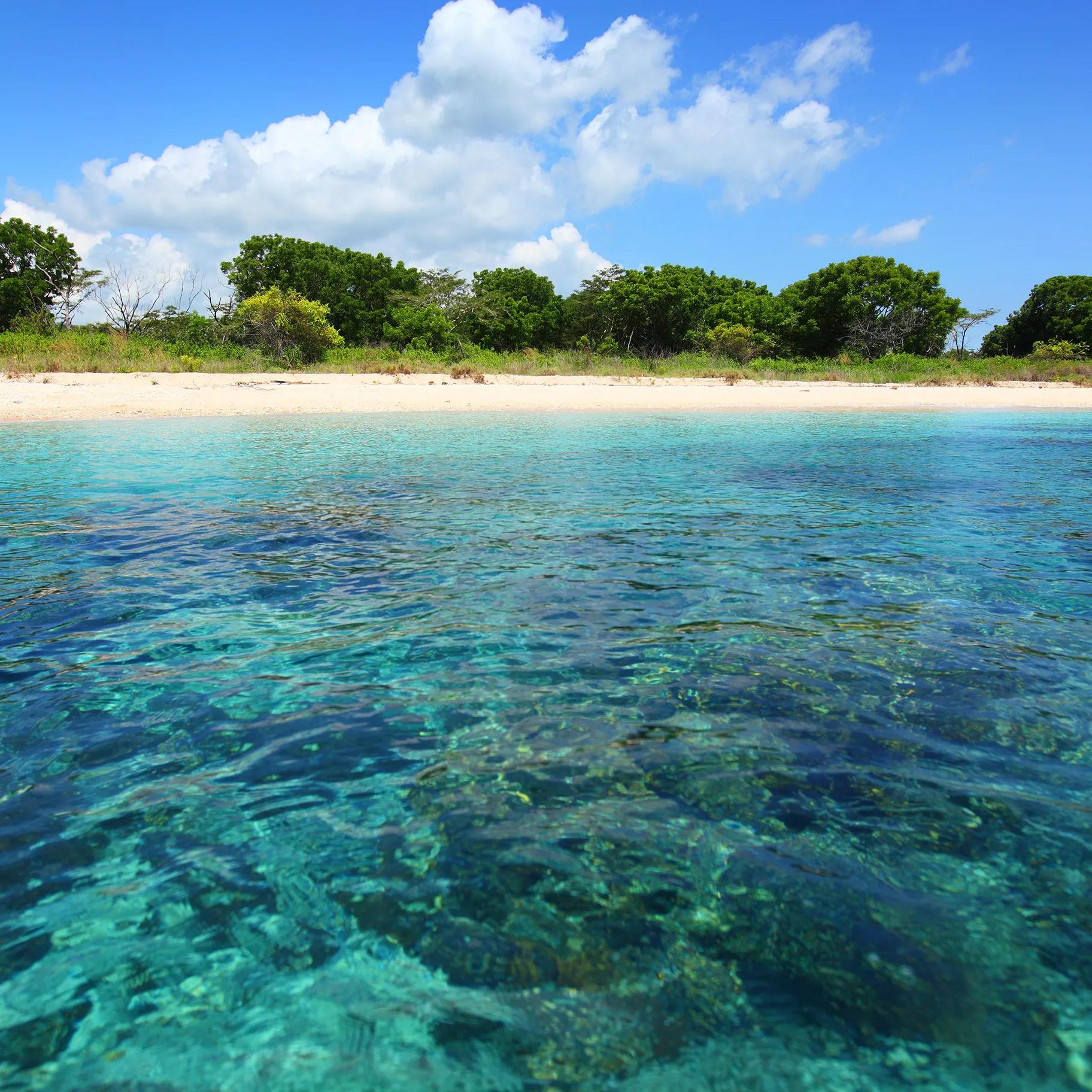
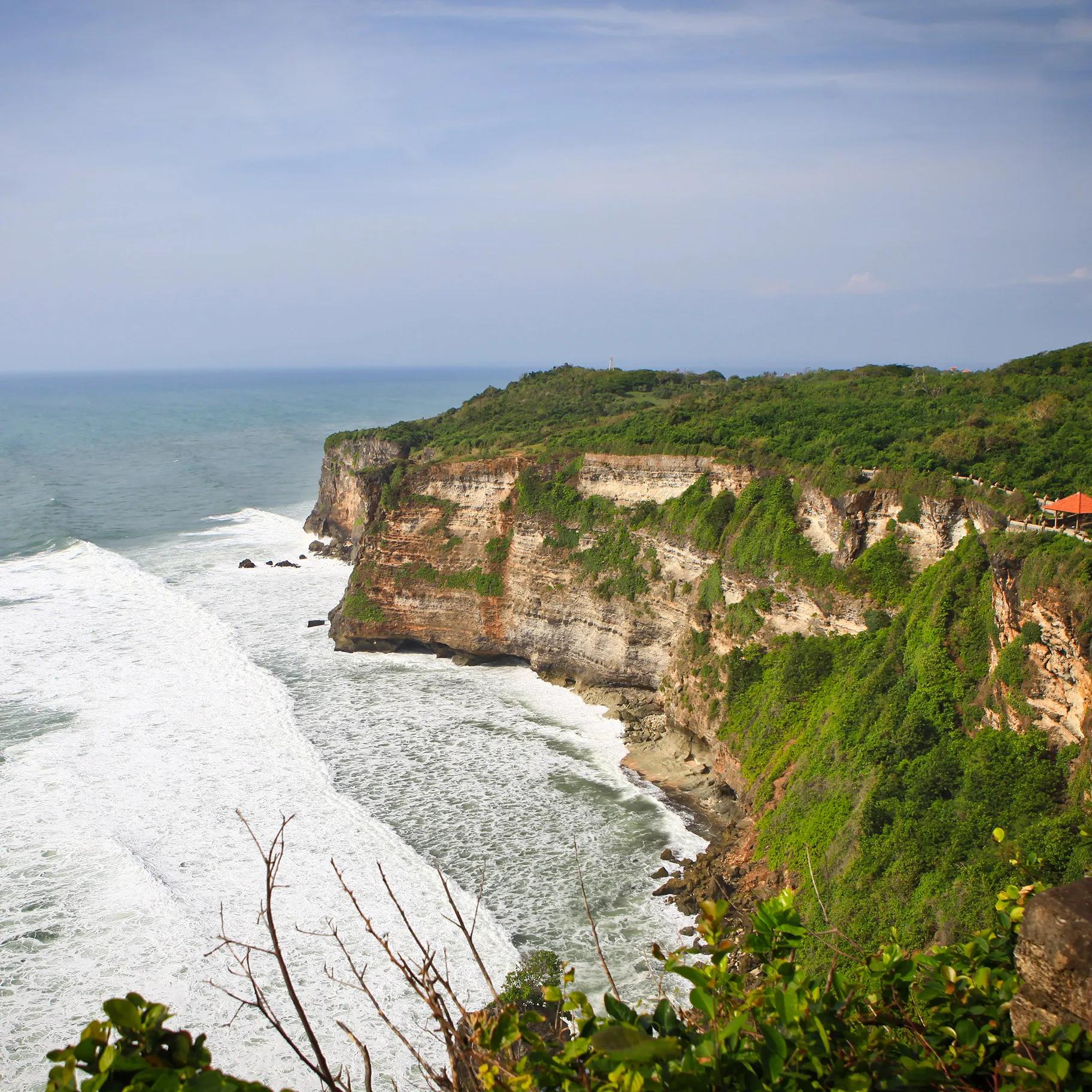
Coral reefs, shipwrecks and manta rays – the underwater world of Bali is one of the most beautiful in the world. Idyllic coves with white sandy beaches and crystal clear water are nestled among high cliffs. There are quiet spots with almost no currents where novice divers and snorkelers can admire the fish, turtles and coral at their leisure. More experienced divers can enjoy truly exciting forays into a real shipwreck.
Manta Point and Blue Lagoon
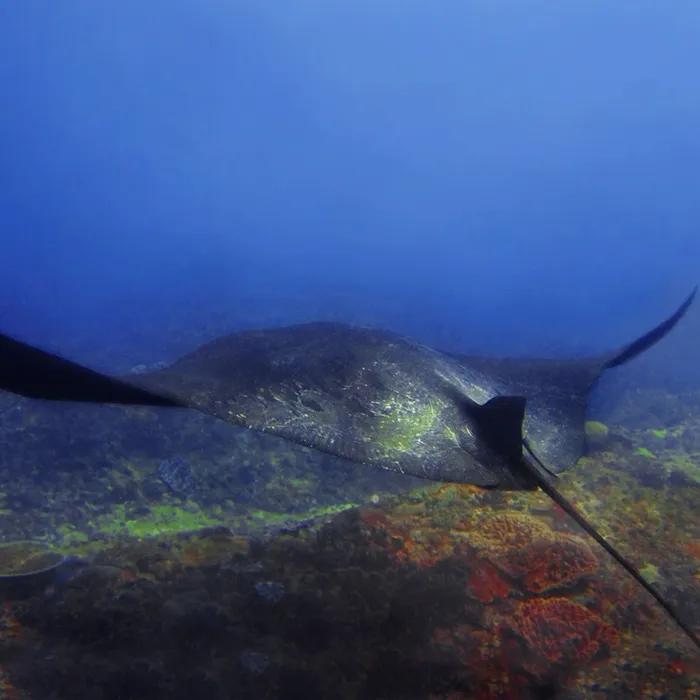
The healthy coral reefs and many fish around the islets of Nusa Penida and Nusa Lembongan, southeast of Bali, mean they are popular destinations for diving and snorkelling. From July to November you have a chance to spot the rare John Dory fish here. A bit further south, and more difficult to reach due to the waves, is Manta Point, where spectacular giant manta rays can be admired. These ‘devil rays’ have a fin span of up to 7 metres with fins so powerful that they can jump out of the water. The word ‘wings’ suddenly seems oddly appropriate. A little way north is the Blue Lagoon, just outside the port of Padang Bai, from where ferries depart to Lombok. This is a perfect dive site for beginners who are not afraid to come across a turtle, batfish, thorntail stingray or shark. An exceptional experience is the nocturnal excursion during which you can observe the Spanish Dancer, a strange bright red slug. A favourite spot for experienced divers is the more distant island of Gili Tepekong, with its sloping reefs and vertical walls.
Menjangan, a colourful aquarium
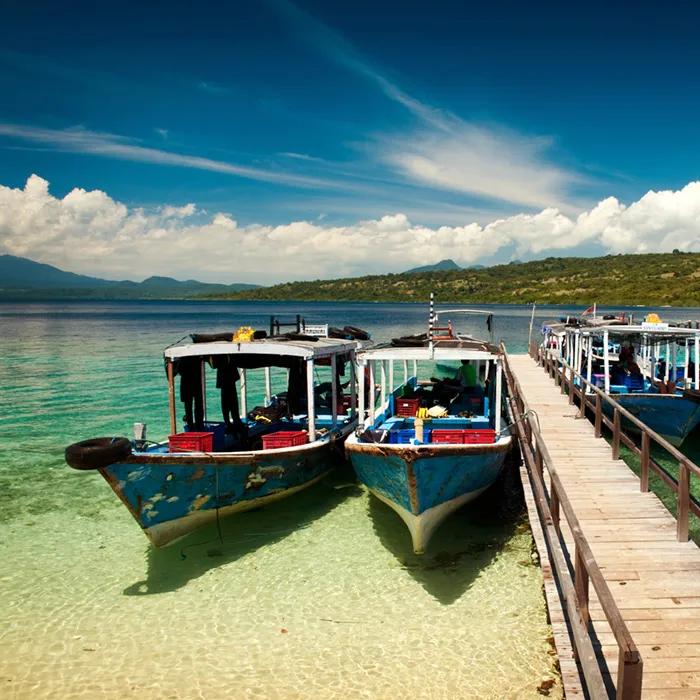
Menjangan Island is located a few kilometres off the northwest tip of Bali. As getting there involves driving out of Denpasar for a few hours and taking a 30-minute boat ride, it is less crowded than the other dive spots. The reefs and cliff walls around this island are spectacular and you can also look for the wooden shipwreck. This spot is also ideal for snorkelling – there’s enough parrotfish, sea cucumbers, blowfish and barracudas to keep your head underwater all day. A true paradise.
Diving for treasure at Tulamben
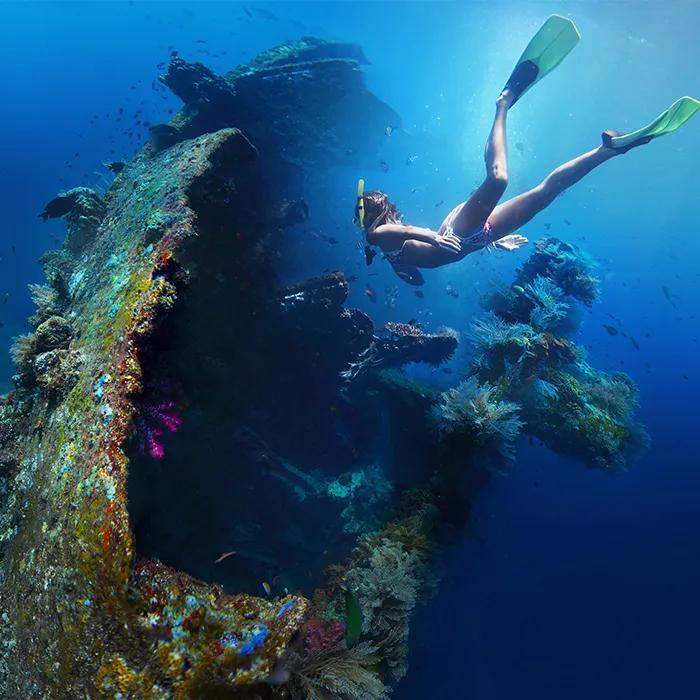
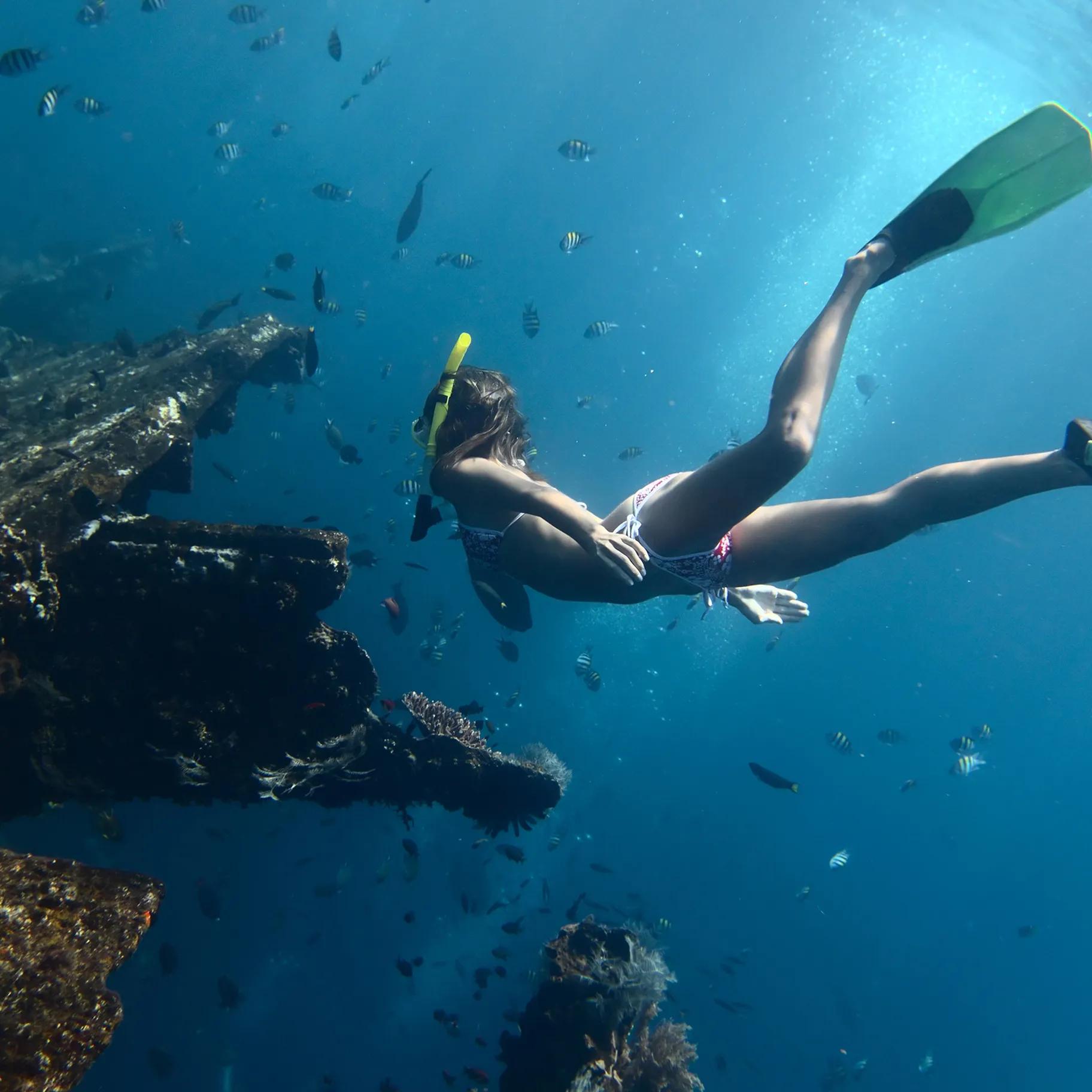
What could be more exciting than diving for a real shipwreck? The seabed near the village of Tulamben is home to the famous wreck Liberty, a US Navy transport ship which was torpedoed by a Japanese submarine in 1942. The vessel, which is almost 120 metres long, was initially beached on the east coast of Bali until a tidal wave, caused by the eruption of Mount Agung in 1963, dragged her into deep water and broke her back. Today the wreck is completely covered with anemones and coral – a veritable treasure trove for divers. It also abounds with marine animals, such as the horse-eye jack, barracuda, emperor angelfish, humphead wrasse and blacktip reef shark. Talumben is located on Bali's east coast.
Related articles
Water sports
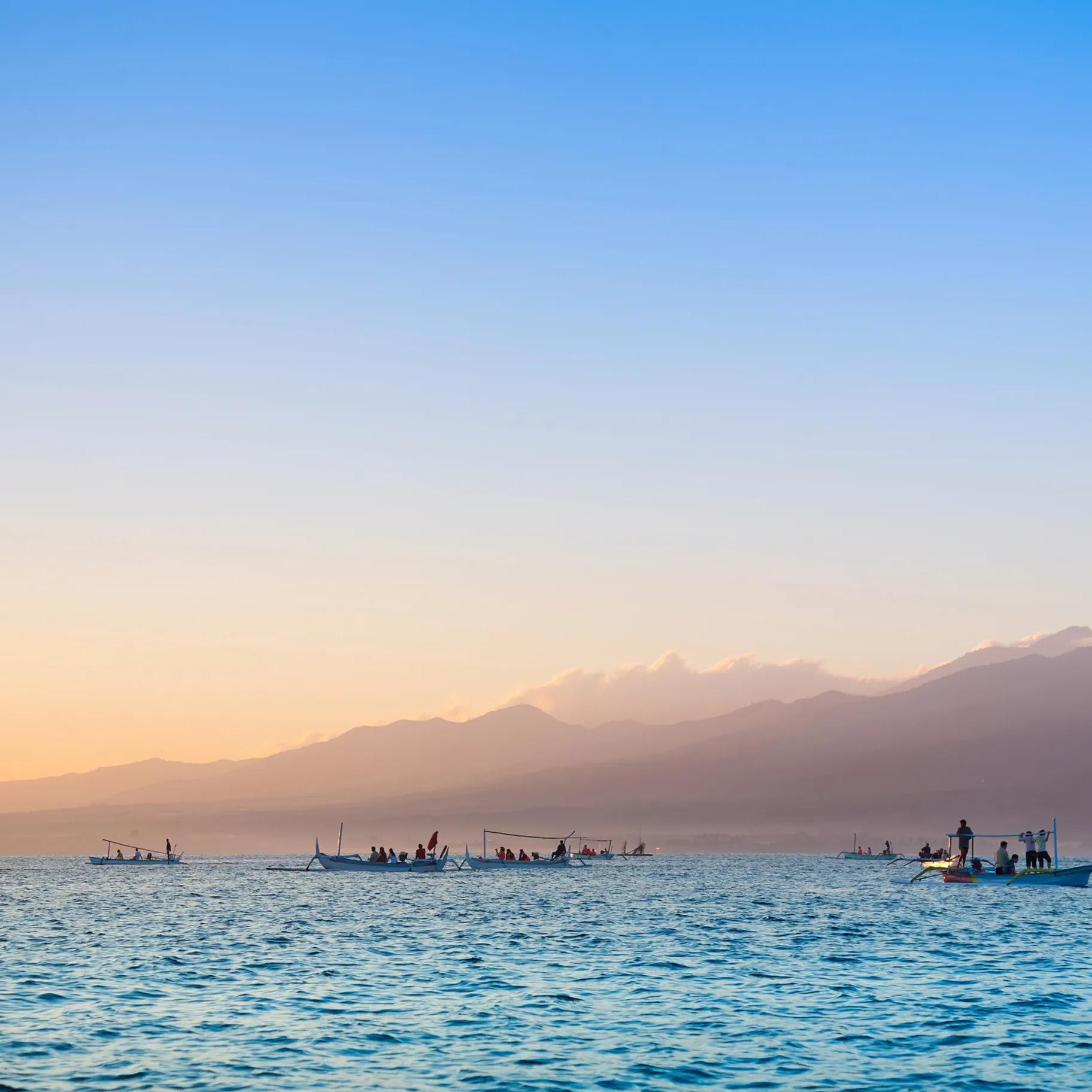
Many people have a wish to see and touch a dolphin at least once in their lives. This wish can come true in Bali. The sight of dozens of dolphins streaking through the water, making elegant somersaults and following boats as if they really would like to make contact, brings a smile to everyone’s face. Real dolphin lovers can even meet their favourite creature face to face in the south of Bali.
Water sports
Wreck diving is one of the most popular forms of diving. Vessels stranded on the seabed conjure up images of raging seas, dramatic events and hidden treasures. It’s not for nothing that the Liberty wreck off the coast of Tulamben on the east coast of Bali attracts experienced and novice divers from around the world. The marine life around the wreck is extraordinary.

Discover other destinations in Asia
*De viste priser gælder for én voksen. Alle beløb er i DKK. Skatter og tillægsgebyrer er inkluderet. Der pålægges ikke noget reservationsgebyr, men der kan blive opkrævet et tillægsgebyr for betaling. De viste priser kan variere afhængigt af billettilgængeligheden. Du vil se den endelige pris, når du vælger din betalingsmetode.
The weather forecast information is provided by World Weather Online. Air France-KLM is not responsible for the reliability of this data.